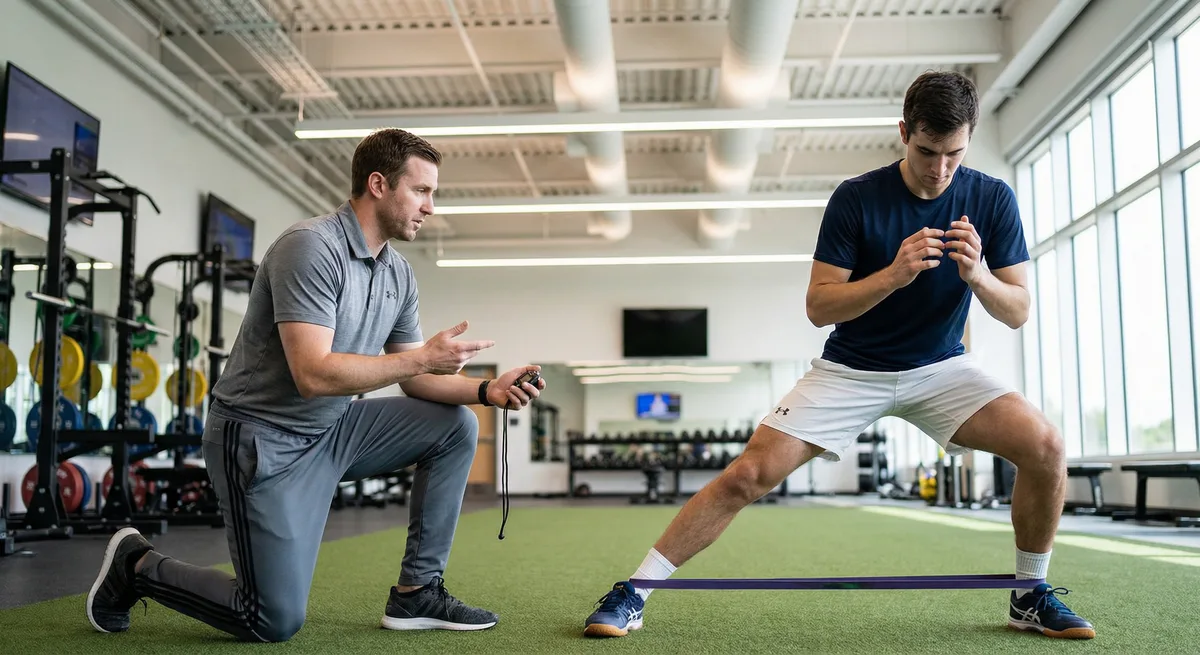
Improving Forehand & Backhand Technique
Explore scientific methods to develop forehand and backhand accuracy for squash players of all levels. Learn how to master these fundamental skills that form the foundation of effective play.
Fundamentals of Forehand & Backhand
Forehand and backhand shots are among the most important fundamental skills in squash, forming the backbone of any effective offensive or defensive play. When a player masters these skills, they gain greater control over the pace of the game and the ability to connect with the ball effectively. These skills require regular practice and a deep understanding of correct technique.
Proper reception begins before the ball arrives — the player must adopt a suitable stance and open their body to receive the ball comfortably. Accurate shots require control over both power and direction, allowing the ball to be placed precisely where and when needed.
Technical Elements of Effective Shots
Effective shots require a set of interconnected technical elements that work together to ensure accuracy and speed. It starts with choosing the right racket position — using the forehand provides better accuracy, while the backhand can be used for longer, more powerful shots.
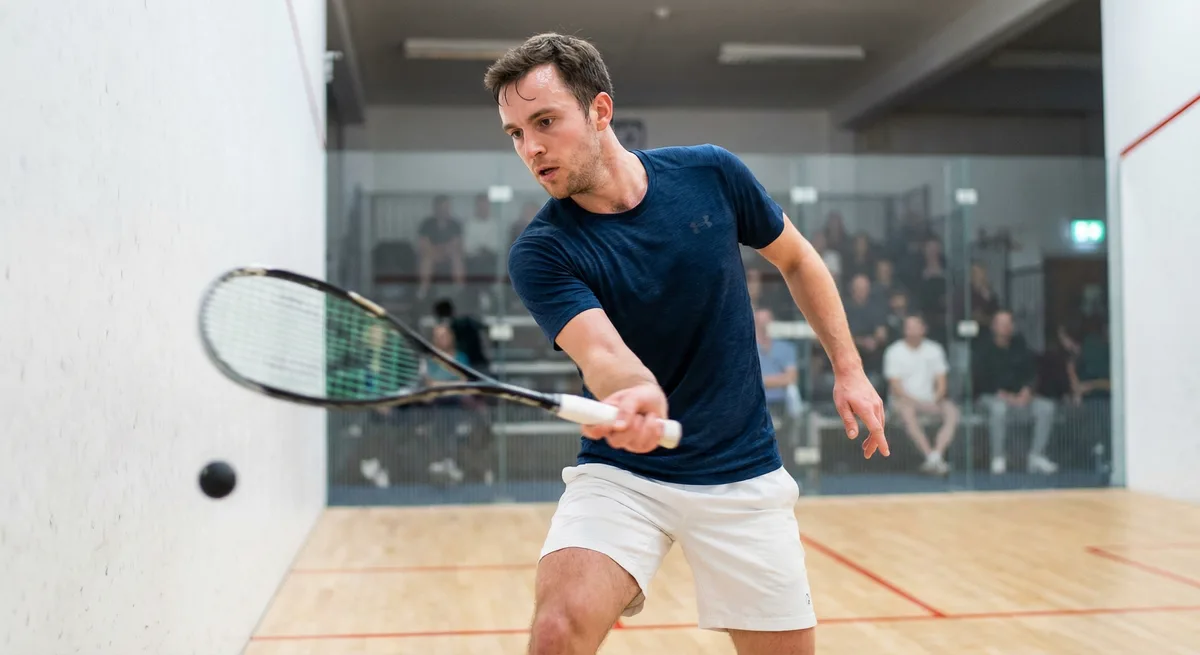
Following through after the shot is also very important — it helps the player understand the ball's trajectory and prepare for the next move, whether that's a new shot or a defensive action.
Advanced Receiving Techniques
Effective receiving is not just about stopping the ball — it involves immediately taking control and directing it toward the next move. The player must always be in a ready position, watching the ball and the available spaces on the court.
- Choosing the right part of the racket for receiving (forehand or backhand)
- Opening the body at an angle that allows a better view of the court
- Absorbing the ball's force with a natural movement of the racket and arm
- Taking immediate control of the ball on the first touch
- Thinking ahead about the next move before receiving the ball
- Maintaining balance and stability during reception
It is very important for players to practice receiving in different ways, as the ball may arrive from different heights and at varying speeds. Regular practice develops muscle memory and improves automatic reactions.
Important Note
The information provided in this article is for educational and informational purposes only. It has been prepared based on well-known squash training principles, but training results vary from player to player depending on many factors including initial fitness level, regular practice, and technical supervision. It is recommended to work with a specialist coach to ensure techniques are applied correctly and safely.
Progress in performance also requires long-term commitment and continuous practice. Every player has unique needs, and techniques may need to be adjusted according to their individual physical and technical characteristics.
Effective Training Methods
To improve forehand and backhand techniques, training programs should focus on practical application and continuous repetition. Varied drills are an effective tool for developing these skills in different contexts.
Structured and progressive training allows players to build confidence gradually. Drills should start at a relatively easy level and increase in complexity as the player progresses.
Common Mistakes & How to Avoid Them
Many players make recurring mistakes that affect the quality of their shots and reception. Knowing these mistakes and how to correct them can accelerate the development and improvement process.
- Not paying attention to the correct stance before receiving the ball
- Using inappropriate power in the shot, causing the ball to go astray
- Not tracking the ball with the eyes until the moment of contact
- Gripping the ball too tightly while trying to control it
- Not thinking ahead about the next move after receiving
- Ignoring body movement and balance during the shot
- Relying on only one side of the racket
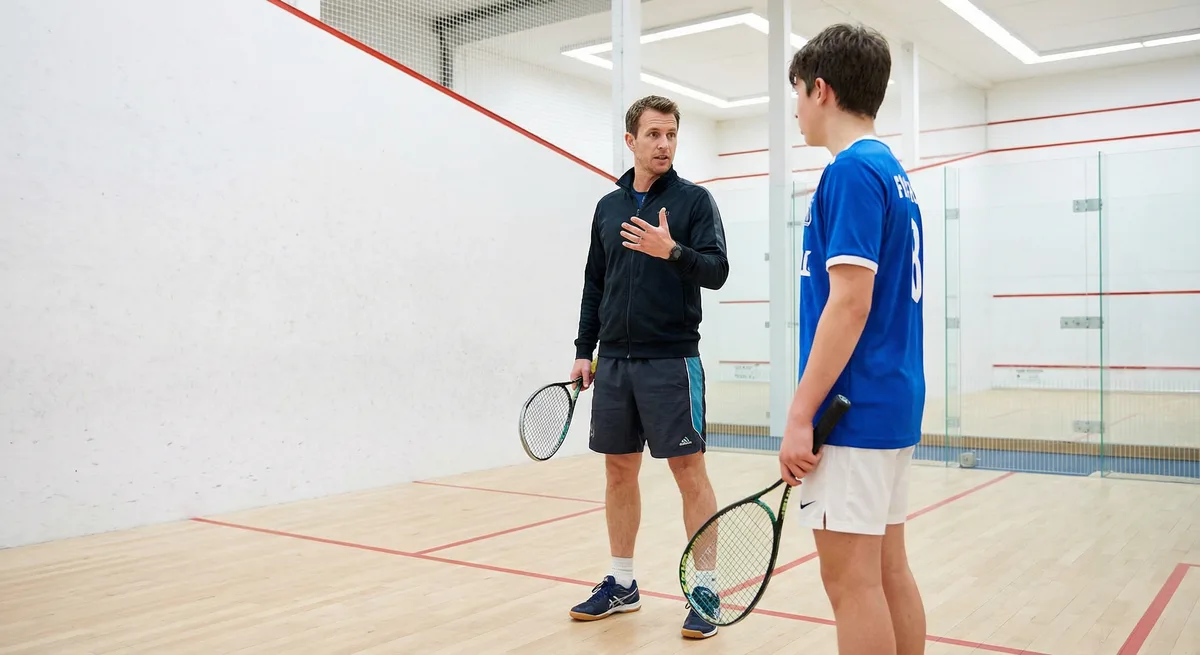
Players should seek regular feedback from coaches and teammates to identify mistakes and correct them in a timely manner.
Conclusion & Next Steps
Improving forehand and backhand techniques is an ongoing process that requires commitment and regular practice. Mastering these fundamental skills opens new horizons for developing other aspects of the game, such as tactical vision and smart court movement.
Remember that every player has their own pace of development — perseverance and determination are the only path to reaching high levels of performance. Enjoy the development process and focus on continuous improvement.